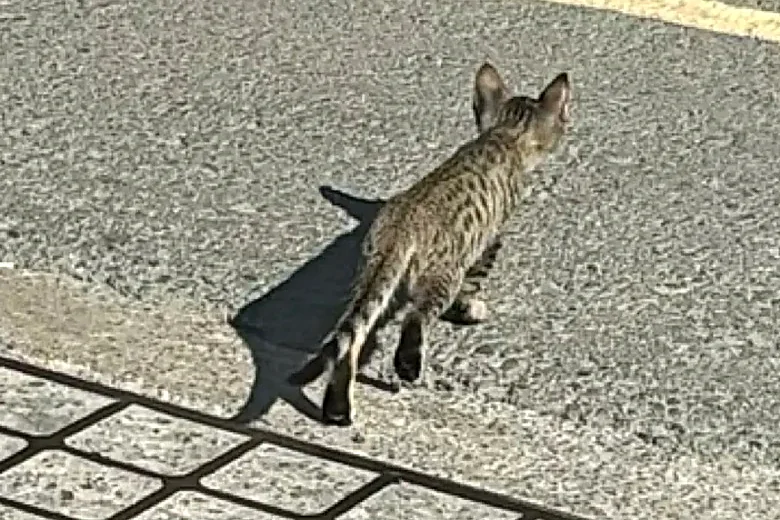
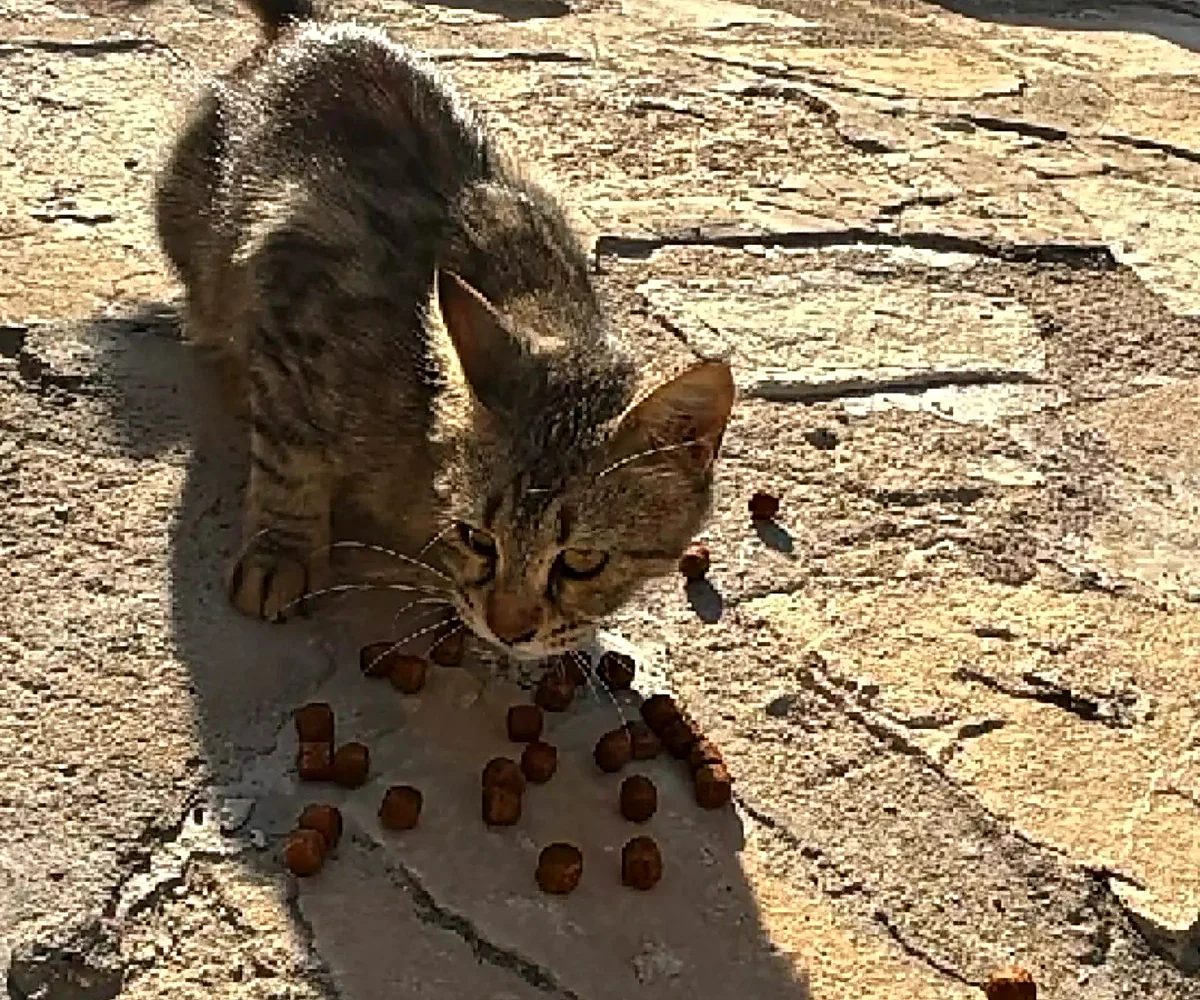
Most cat photos are taken from standing height, in a hurry, as the cat walks away. That’s why most cat photos show the top of a cat’s head and a blurry tail.
A few habits fix almost all of it. None of them need a new phone.
The short version
- Get down to the cat’s eye level.
- Find soft light, and keep it in front of the cat.
- Tap the eyes to focus.
- No flash.
- Let the cat come to you, and take lots.
Get down to their level
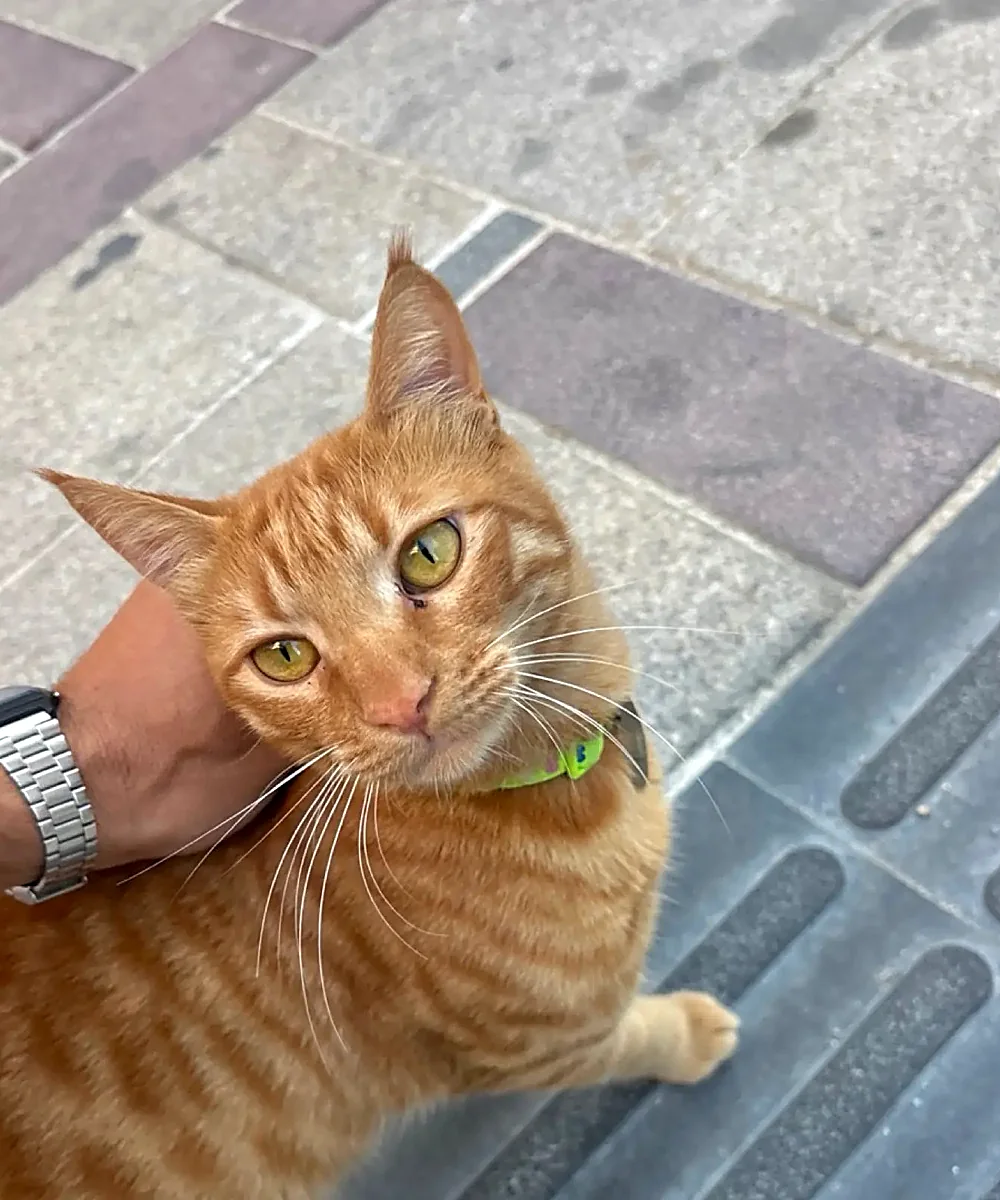
This is the big one. Crouch, kneel, or rest your phone on the ground. At a cat’s eye level you see its face instead of its back, and the photo feels like you were there with it, not looming over it.
Find soft light
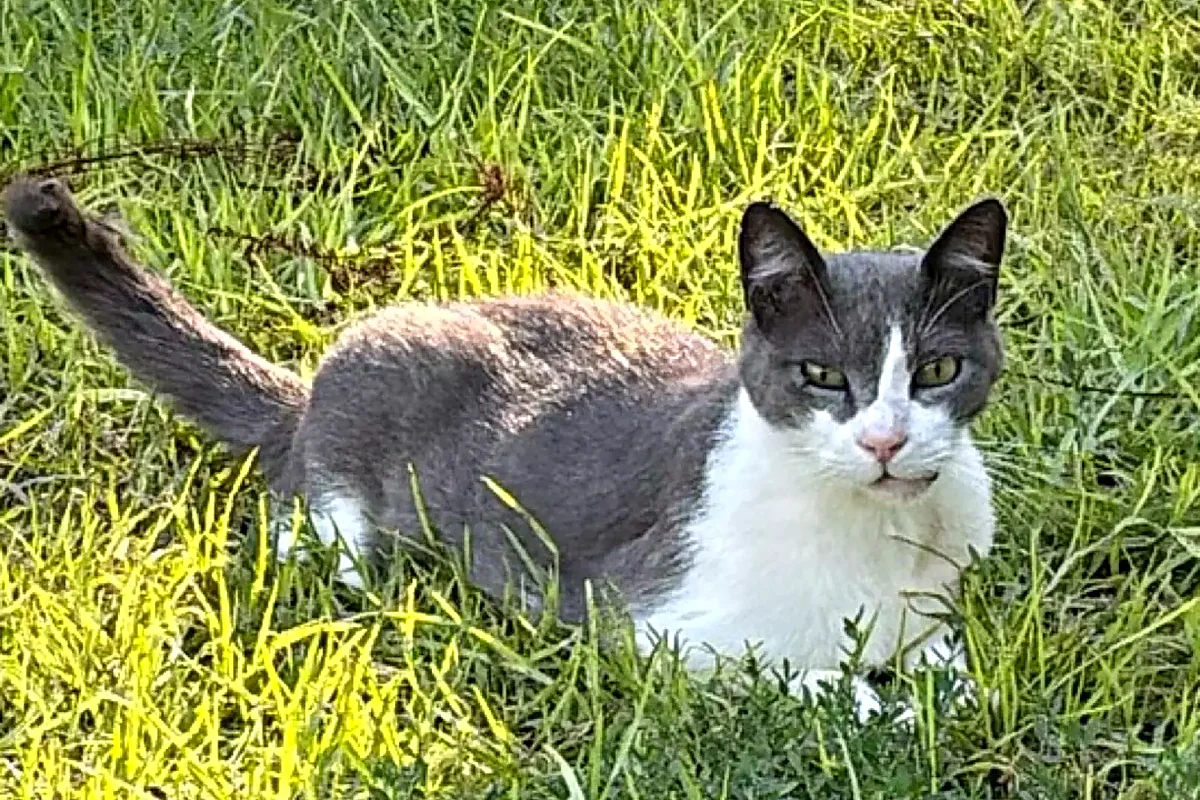
The best light is early morning and late afternoon, when the sun is low and warm. In the middle of a bright day, look for open shade, like the shadow of a building. You get even light without harsh shadows or squinting.
Keep the light in front of the cat, or to one side, so it lights up the face and puts a little sparkle in the eyes. With the sun behind the cat, you’ll get a dark shape.
Focus on the eyes
If the eyes are sharp, the photo works, even if the tail is a blur. Tap the cat’s eyes on your screen before you shoot. On most phones, pressing and holding locks the focus and brightness there, so it doesn’t jump around when the cat moves.
Skip the flash
Flash flattens the face, makes the eyes glow green, and startles the cat, so it’s usually the last photo you get. At night, find a streetlight or a lit window, and hold the phone still. Most phones now do a decent job in low light on their own.
Take lots
Cats don’t pose, and their best expressions last a second. Take plenty, and use burst mode if your phone has it, often by holding the shutter or sliding it to one side. You can delete the rest later.
Don’t zoom in. Walk in, slowly.
Pinching to zoom throws away detail. If your phone has a 2× or 3× lens, that’s fine to use. Otherwise, get a little closer, but only as close as the cat is happy with.
Keep the background simple
A step to the left can swap a bin and three parked cars for a plain wall. Look past the cat before you shoot. The simpler the background, the more the cat stands out.
Let the cat come to you
Move slowly, stay low, and don’t stare. A slow blink helps. Researchers at the universities of Sussex and Portsmouth found that cats were more likely to approach a stranger after the person slow-blinked at them. Narrow your eyes, close them for a moment, and open them again. You’ll often get one back.
And never chase, corner, or pick up a street cat for a photo, or tempt one into the road with food. No photo is worth a frightened or injured cat.
Every cat you snap in Island of Cats lands on the map. A good photo makes it one people remember.