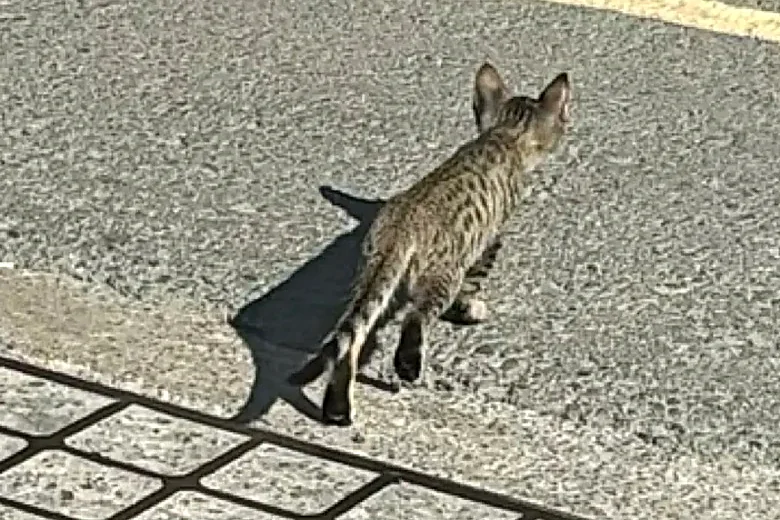
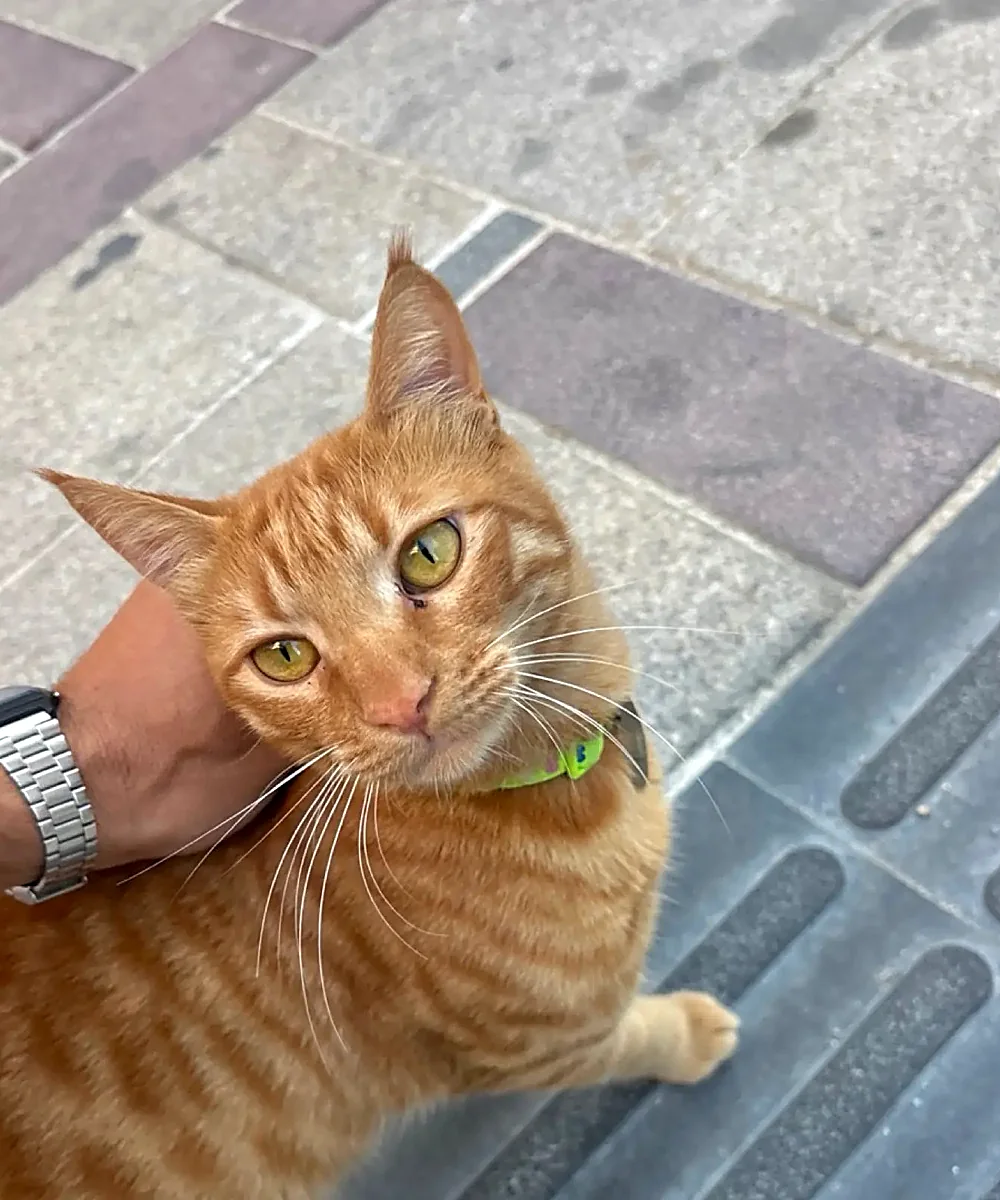
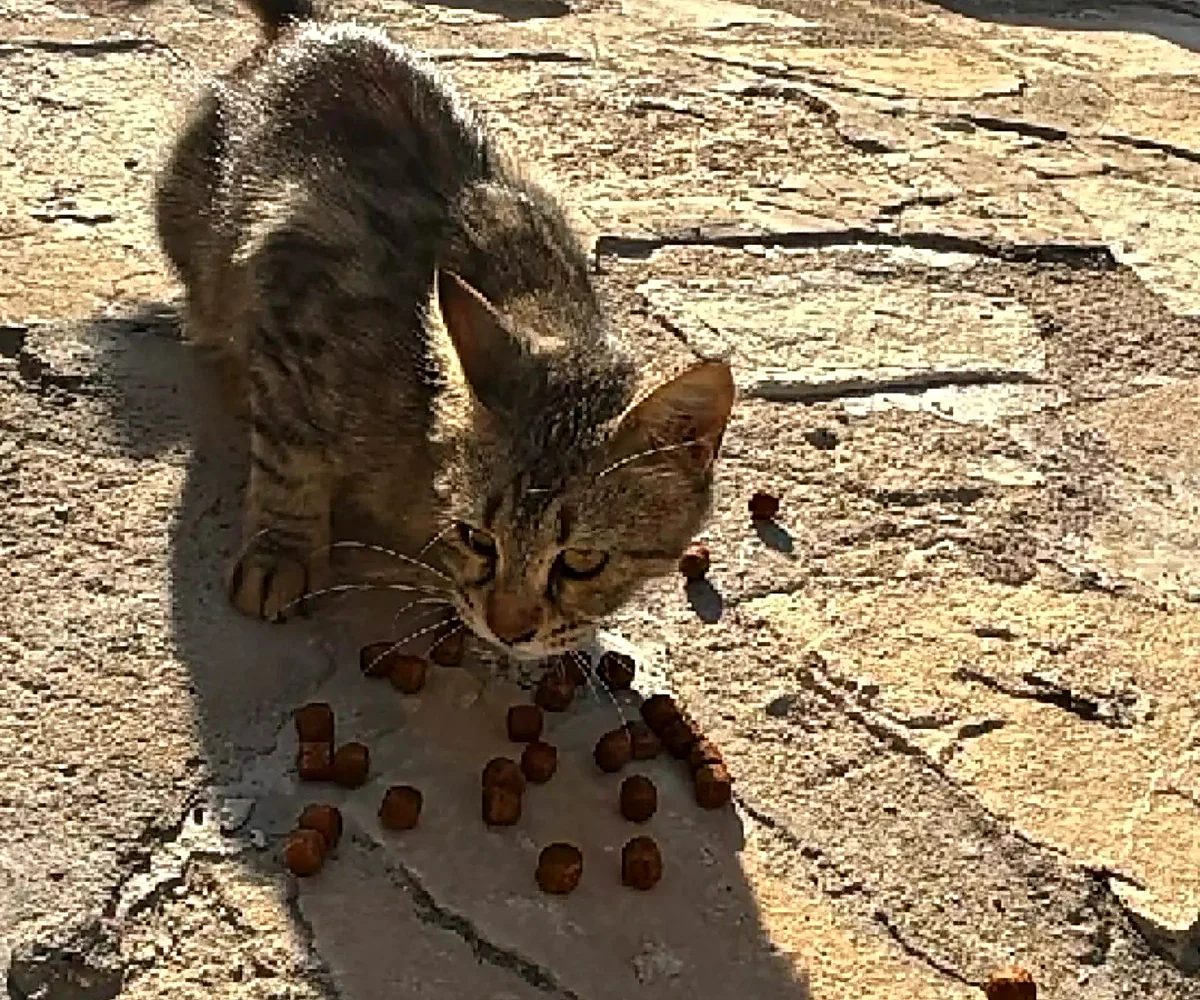
Every street with cats eventually has the same conversation. There are too many. Someone wants them gone, someone else feeds them, and next spring there are more kittens than ever.
Trap, neuter, return, or TNR, is the way out of that loop. The cats are caught in a humane trap, neutered and vaccinated by a vet, marked with a tipped ear, and returned to the street they came from. They live out their lives there, and no more kittens are born.
The short version
- Count the cats and spot which have tipped ears.
- Talk to a local cat group or your council.
- Feed at the same time each day, so trapping is easy.
- Trap, vet, recover for a day or two, return.
- Keep feeding, and watch for newcomers.
Why not just take them away?
Because the spot doesn’t stay empty. A place with food and shelter draws cats. Remove the ones there and new, unneutered cats move in, and the kittens start again. Neutered cats hold their ground, keep the newcomers out, and slowly grow fewer.
It works. In studies collected by Alley Cat Allies, cat numbers fell by 41% in five years in Cook County, Illinois, and a colony in the San Francisco Bay Area shrank by 99.4% over 16 years. A neutered colony also gets calmer: fewer fights, less yowling at night, less spraying.
What happens on the day
- The trap. A wire box with food at the back. When the cat steps in, the door closes behind it. It doesn’t hurt the cat. Skip the meal before trapping, so the cats are hungry.
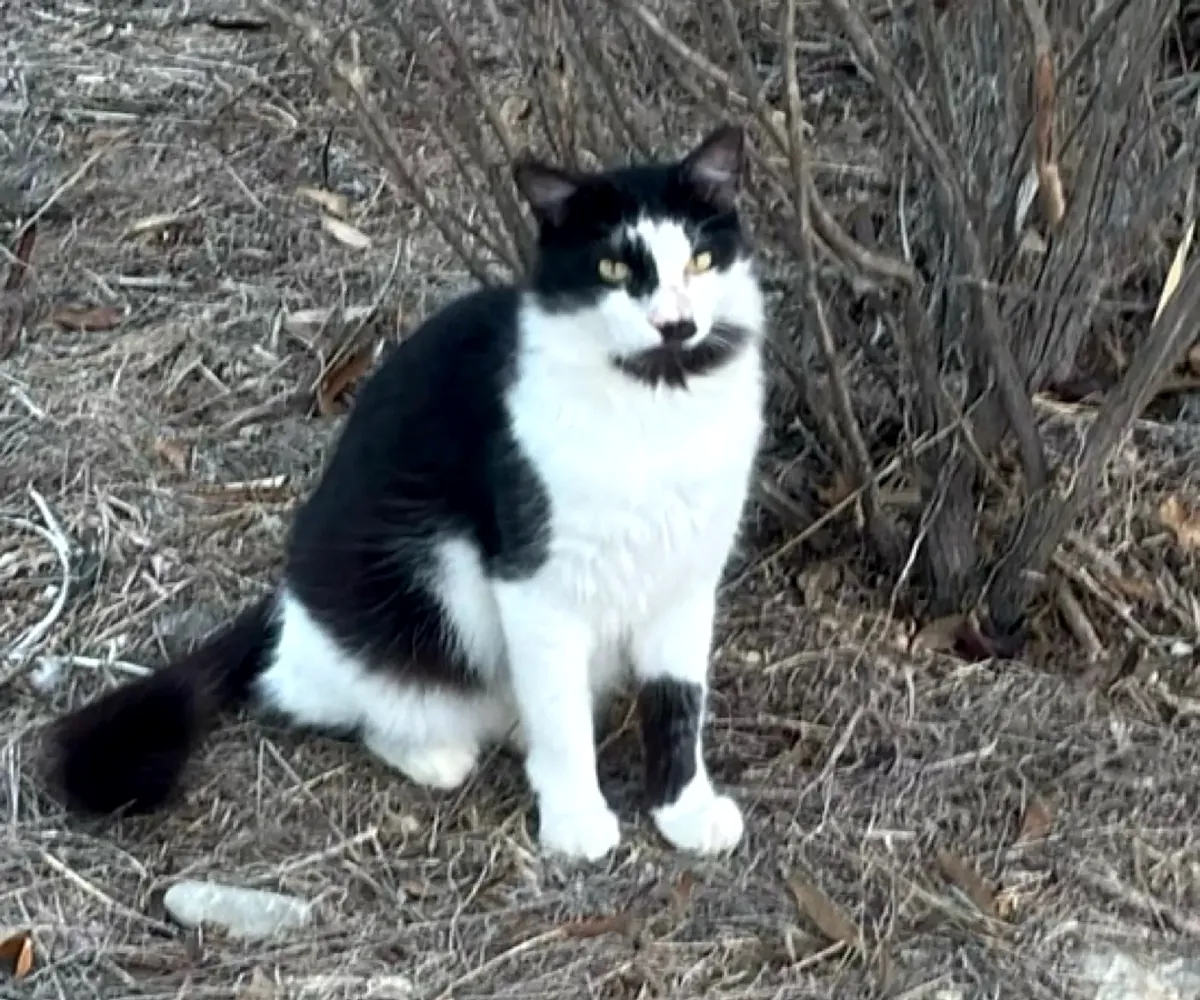
- The vet. The cat is neutered under anaesthetic, usually vaccinated and checked over. While it’s asleep, the tip of its left ear is cut flat. That’s the sign, worldwide, that it’s done. Here’s how to spot an ear tip.
- Recovery. Usually a day or two in the covered trap, somewhere quiet and warm.
- Return. Back to the exact spot it was caught. Never somewhere new. It knows where food, water and shelter are, and a new place has none of that.
How to get it done where you live
Most places have someone already doing this. Ask a local cat rescue, your vet, or the council. Many run TNR or know who does, and can lend traps.
In Cyprus, where we’re based, the state pays for neutering street cats. The programme is run by the district veterinary offices with councils and registered animal welfare groups, and private vets take part. Volunteers join through their council or a registered group. In 2025 the government tripled its budget for it, from €100,000 to €300,000. Your municipality is the place to start.
How you can help, even without trapping
- Count. How many cats, which have ear tips, which look pregnant. It’s the first thing any group will ask.
- Feed on a schedule. Same place, same time. It makes trapping day easy. Here’s how to feed street cats well.
- Drive. Taking a trap to the vet and back is half the work.
- Give. Groups pay for neutering, food and vet bills, mostly from donations.
Snap every cat on your street with Island of Cats. You can’t help what you can’t count.