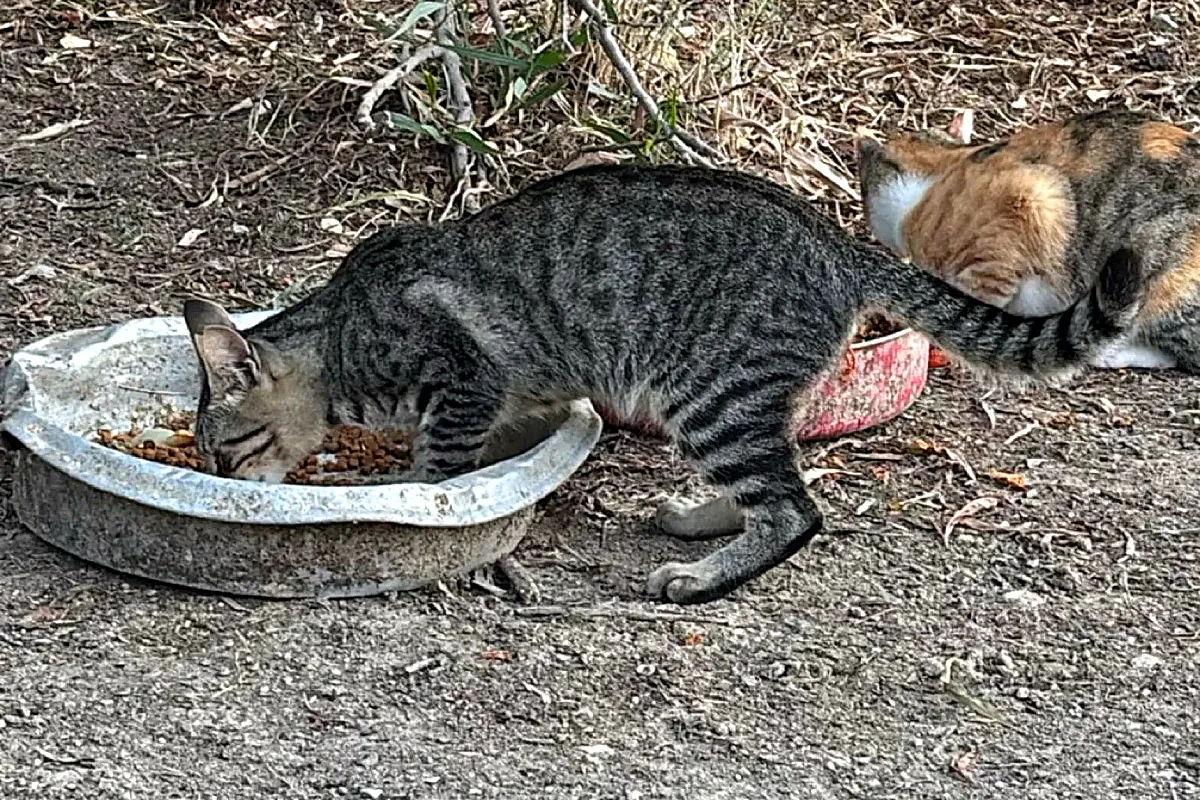
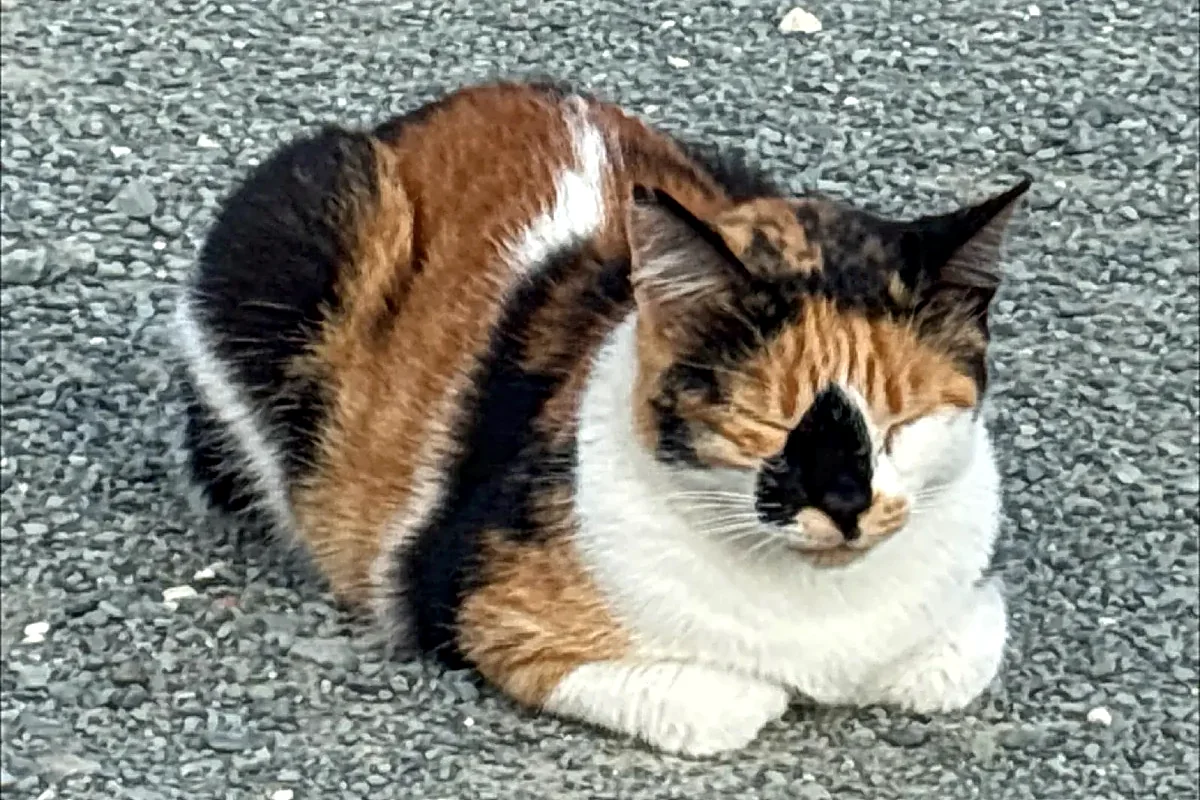
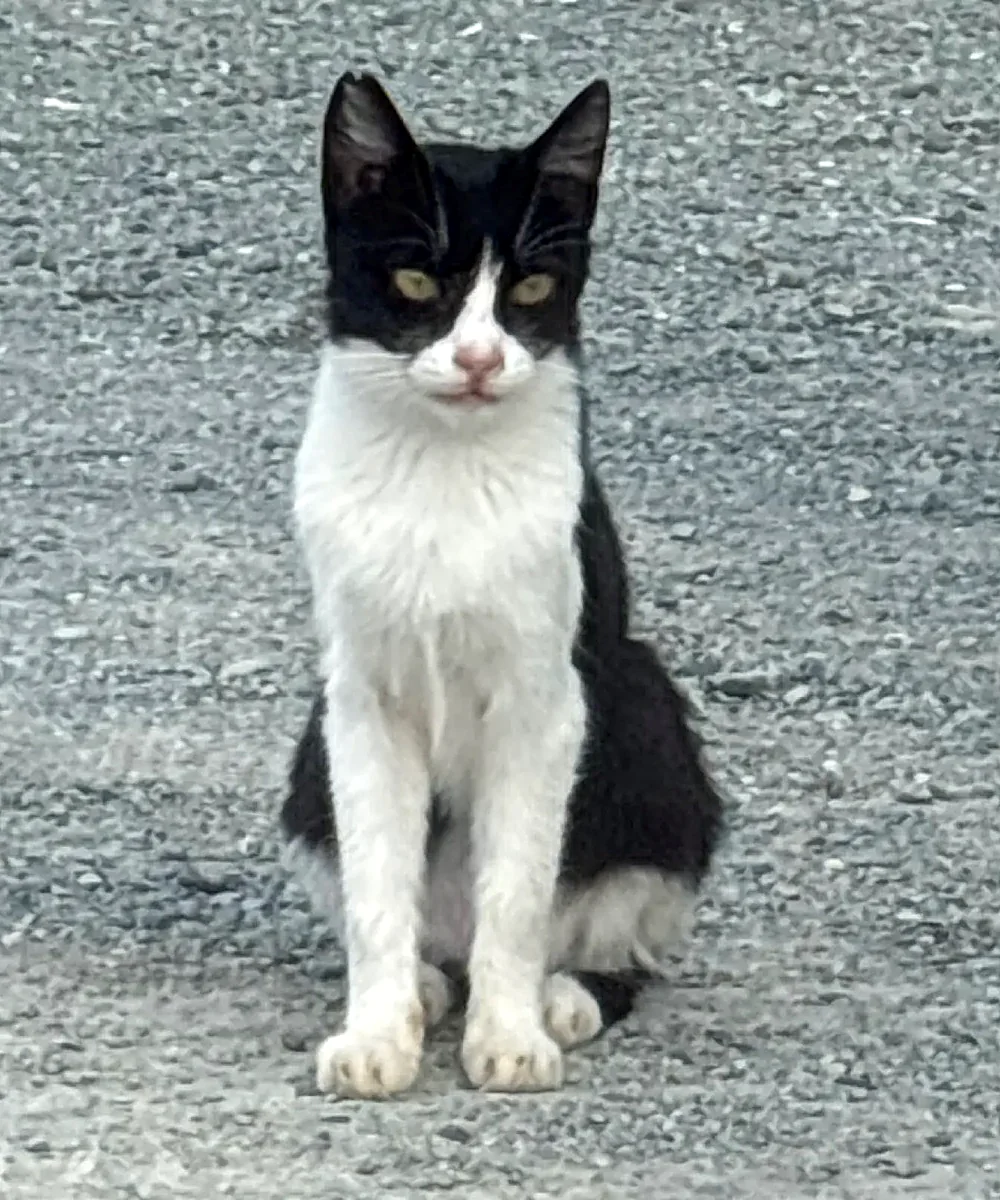
Count the cats on your street tonight and you’ll probably miss the black ones. Not because they aren’t there. They’re under the parked car, eyes half shut, looking exactly like the shadow they’re sitting in.
Black Cat Day is on 27 October. The UK charity Cats Protection started it in 2011, after its own records showed that black and black-and-white cats took about a week longer to find a home than other cats. It has spread well beyond Britain since. It also lands four days before Halloween, which is not an accident.
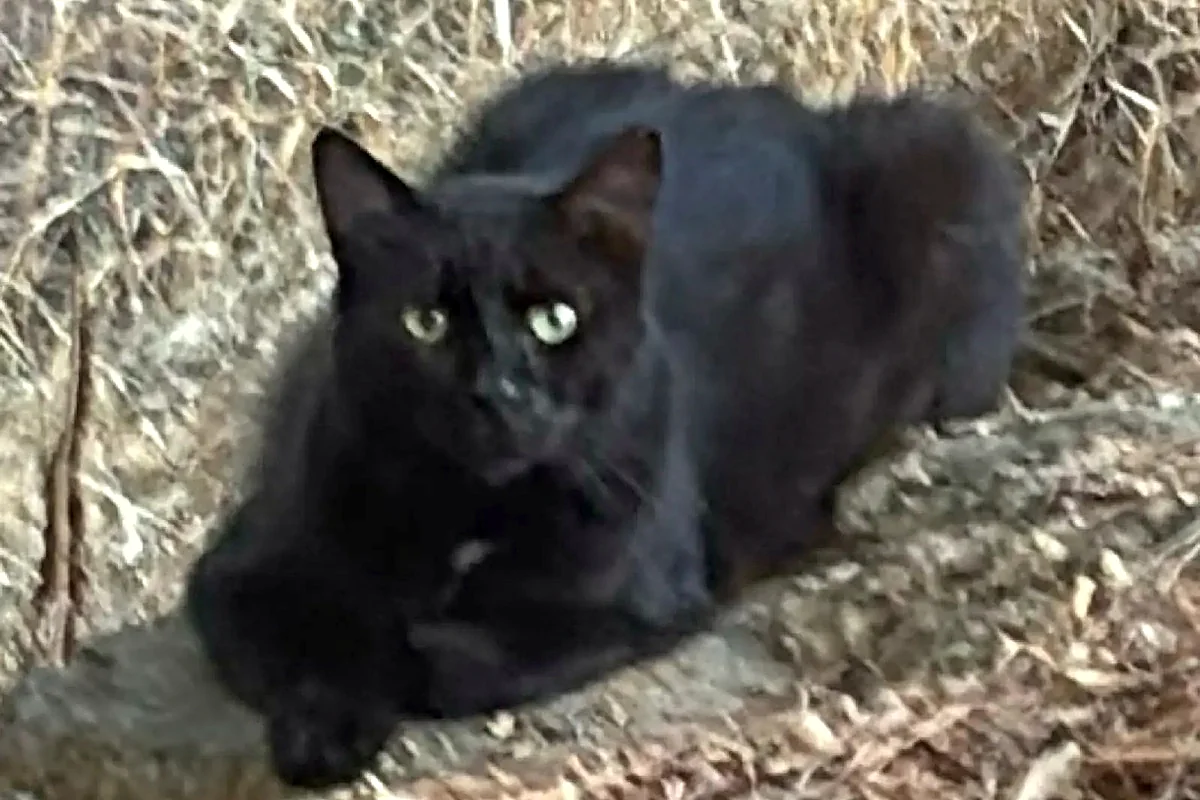
Do black cats really get adopted less?
Mostly, yes. The gap is just smaller than the internet makes it sound.
A 2013 study of two shelters in Colorado found black cats waited the longest of any colour. A bigger study in 2020, of almost 8,000 cats at a shelter in Kentucky, found black cats had the lowest adoption rate there, about one in ten. The same authors were careful to add that coat colour was a weak predictor overall. Age, health and plain luck mattered more.
And the gap can close. Cats Protection says its black cats now spend less time waiting than when the day began. So the campaign works, which is a good reason to keep doing it.
It’s not only superstition
In Cyprus, as in Greece, a black cat crossing the road is still a bad sign to some people. Usually said half as a joke, but said. In Britain and Japan the same cat is good luck. It depends entirely on where you’re standing.
But the research keeps pointing at something more ordinary. In a 2020 study, the people who felt they couldn’t read a black cat’s face were the ones who rated black cats as less friendly and less worth adopting. A 2026 study showed more than a thousand adults real shelter photos and found the same thing: black cats were read as scared or angry more often, and people were less sure of what they were seeing at all.
A black cat in a bad photo is a dark shape with two eyes. You can’t see the expression, so your brain fills it in, and it rarely fills it in kindly.
Cyprus has had cats for 9,500 years
In 2004, archaeologists digging at Shillourokambos, near Limassol, found a cat buried beside a person in a grave about 9,500 years old. It’s the oldest known sign of people and cats living together, thousands of years before the cats of ancient Egypt.
Nobody knows what colour that cat was. But the black cat on a wall in Paphos tonight comes from a very long line, on an island that has had plenty of time to get used to them.
How to photograph a black cat
If part of the problem is photos, part of the fix is photos too.
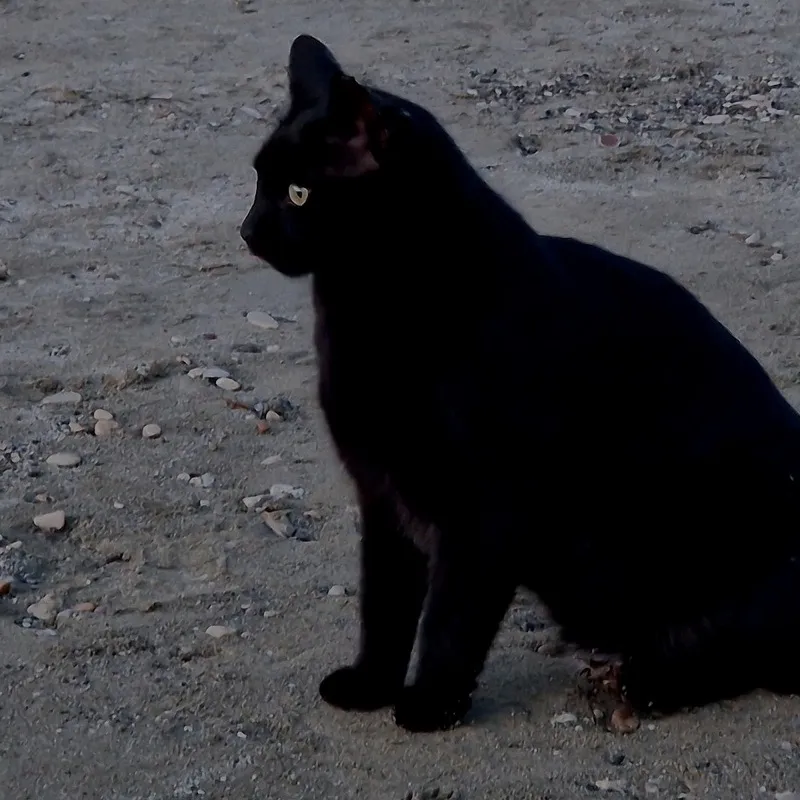
a shadow with eyes 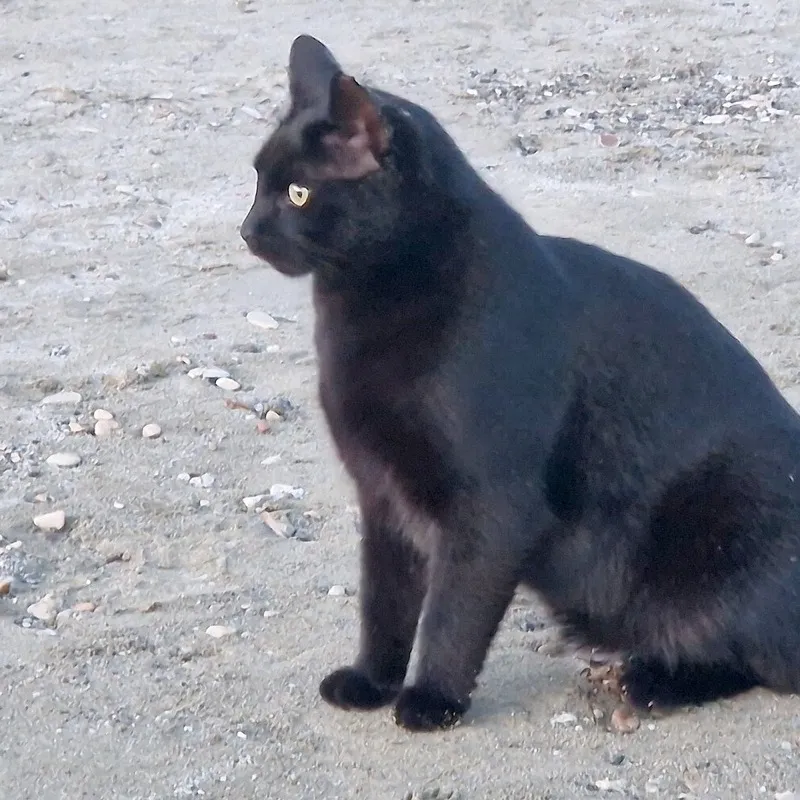
a cat with a face
Same photo, two exposures. Only one shows a face.
These are the things that actually make a difference:
- Shade, not sun. Midday sun turns a black cat into a hole in the picture. Open shade, early morning or the hour before sunset will show the fur.
- Tap on the cat. Your phone sets the brightness for the whole scene. Tap the cat on the screen, then nudge the brightness up a little.
- Get down low. At the cat’s eye level you get a face, not the top of a head.
- Focus on the eyes. If the eyes are sharp, the photo works.
- No flash. It turns their eyes into two green lamps.
- Find a pale background. A white wall or a light step makes the outline readable.
One more thing you’ll notice here: black cats who spend their lives outdoors in the Mediterranean sun often fade to a rusty brown at the tips. It’s the pigment breaking down in the light. It doesn’t hurt them, and it photographs beautifully.
What to do on 27 October
- If you’re thinking of adopting, meet the black cats first. In person they’re easy to read.
- If you feed street cats, take a proper photo of your black ones and give them a real name. Not “Shadow”. Every street already has a Shadow.
- Post your best black cat photo and tag @IslandOfCatsClub. We’ll share the good ones.
- Share a shelter’s black cat listing. One share costs nothing.
In Island of Cats, every black cat you snap lands on the map, same as the rest. Nobody gets skipped for being hard to see.