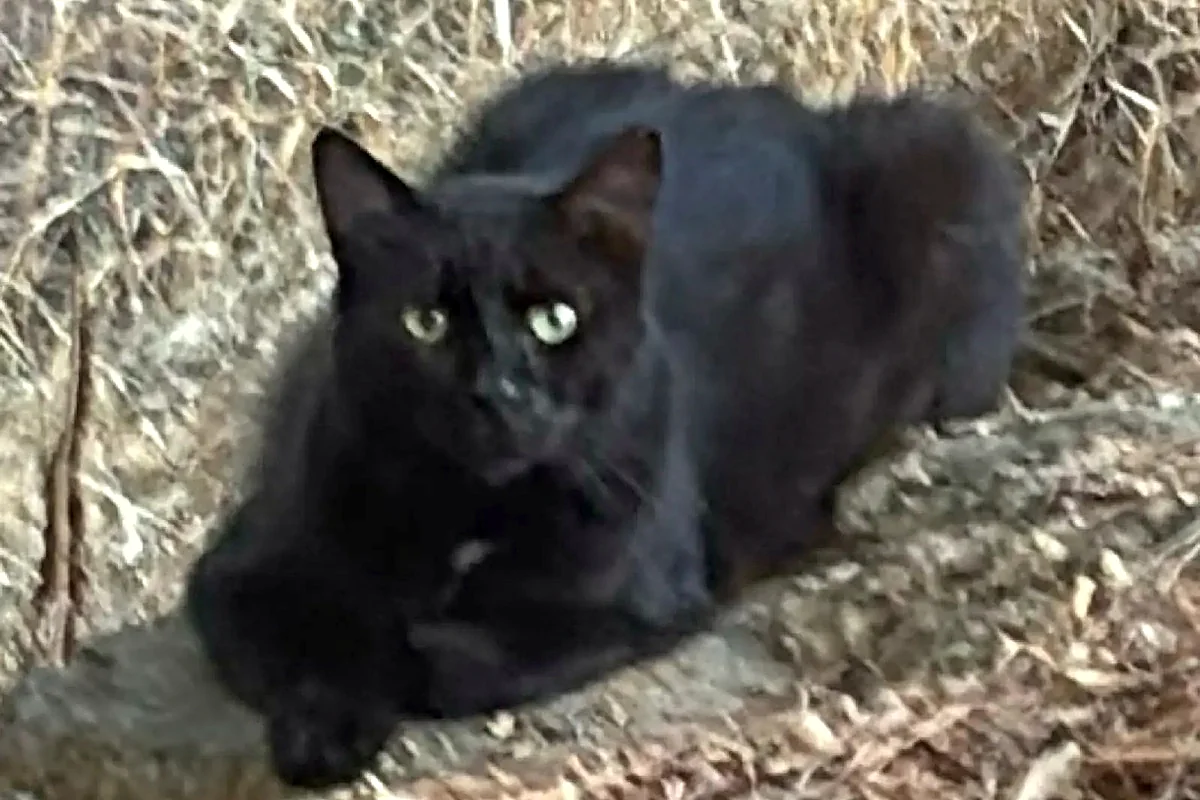
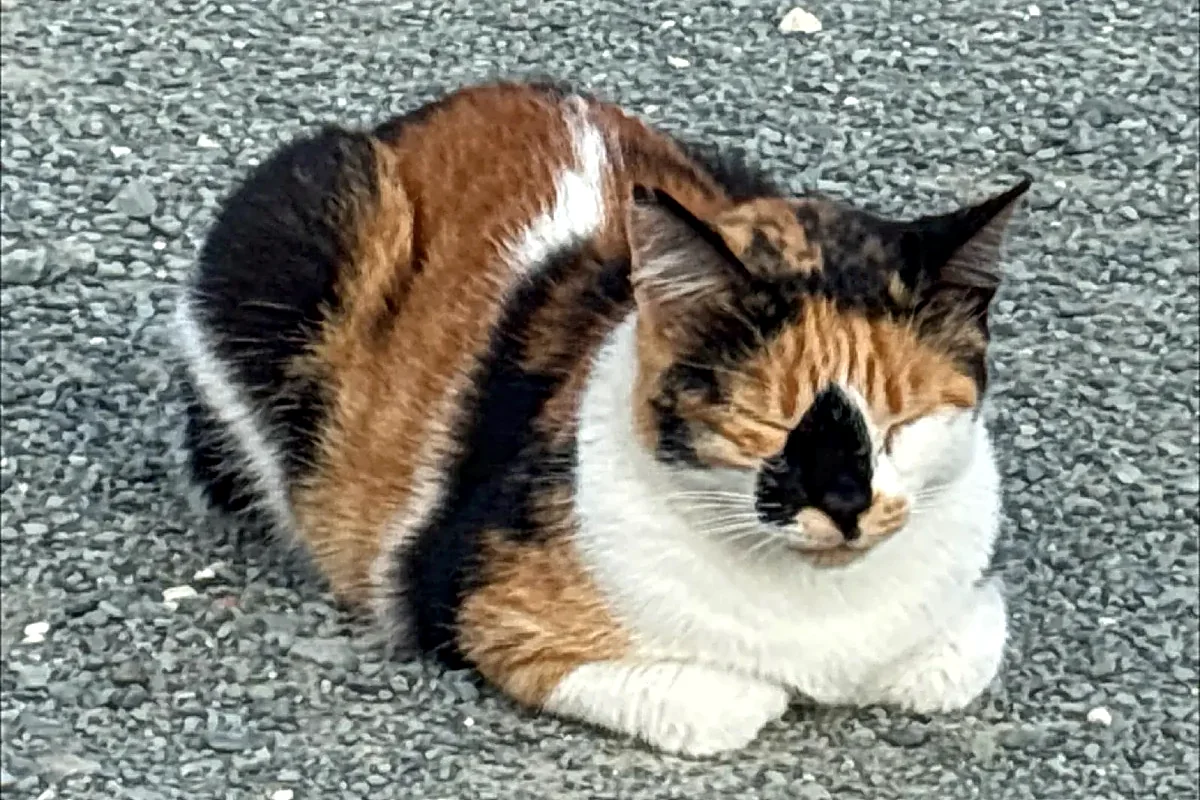
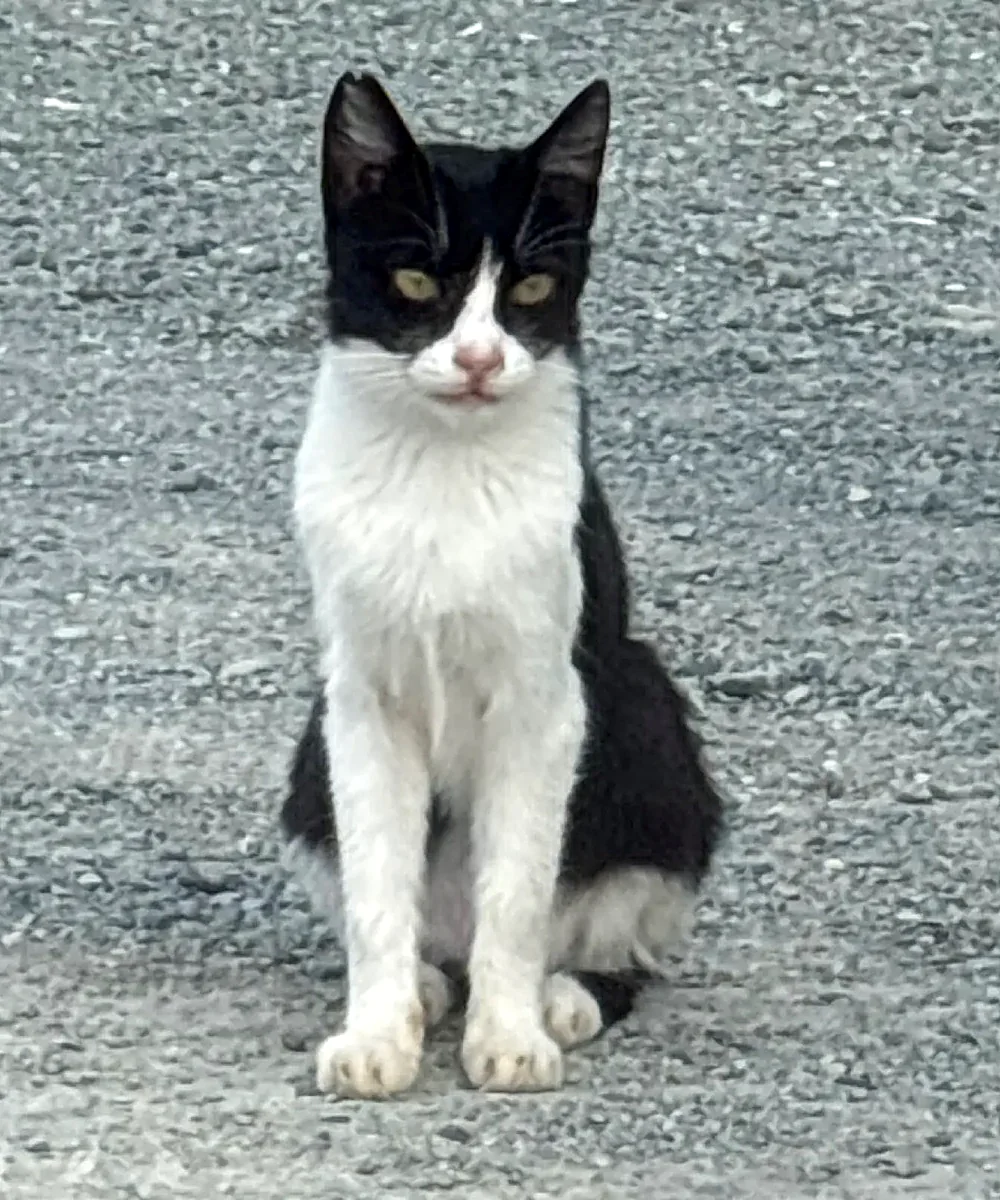
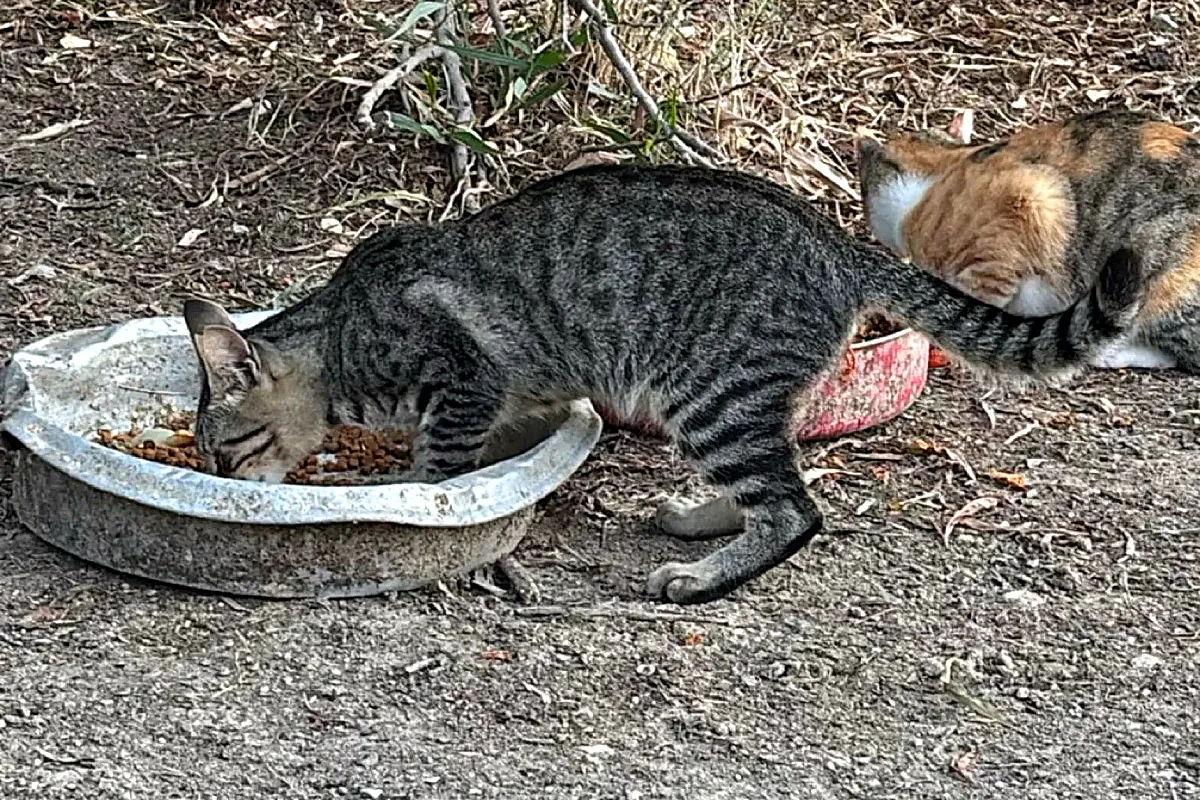
Every city in the world has its street cats, and almost every street has someone who feeds them. A bowl behind the kiosk. A bag of dry food in a car boot. Someone who comes out at the same time every evening and is met by six tails.
Global Cat Day, on 16 October, is for both of them. The American charity Alley Cat Allies started it in 2001 as National Feral Cat Day and renamed it in 2017. The idea behind it is simple: cats who live outdoors are part of the community, and the community should look after them.
Almost nobody counts them
Ask how many street cats live in your city and you’ll get a shrug, or a number someone once heard. Very few places count them properly.
Take Cyprus, where we’re based. You’ll hear “a million”, or “one for every person”. In its 2025 report on cats in Cyprus, International Cat Care put it plainly: there are no accurate figures, only a consensus of around 1.5 million. That would make it possibly the country with the most cats per person in the world.
It’s a guess. Maybe a good one. But in most places, every decision about street cats, from how much to spend to where to send the vets, rests on a guess like it.
The fix that works is neutering
Trap, neuter, return (TNR) is what it sounds like. You catch a street cat, a vet neuters and vaccinates it, and it goes back to the place it lives. The colony stops growing. The fights and the yowling at night calm down. The cats live healthier, longer lives.
It only works when enough cats are done. A widely cited 2004 study estimated that about 75% of a population has to be neutered to bring it under control. Do fewer and the kittens outpace you. Done properly, it adds up: in a Chicago neighbourhood, colonies on a long-running TNR programme shrank by more than half on average, and eight disappeared entirely.
Italy went further. Under a 1991 national law, street cats there are protected where they live, and the local vet services must neuter them and return them to their colony. In Rome, almost 8,000 cats were neutered in the 1990s and colonies shrank by 16 to 32%. Less than hoped, because about one cat in five in those colonies was a newcomer, mostly abandoned pets. Neutering street cats only works if people neuter their pets too.
Neutered street cats usually have a small clip taken off the tip of one ear while they’re under anaesthetic. If you see a cat with a flat ear tip, someone has already looked after it.
Who pays for it
In most places the public money is small and the work is done by volunteers. Cyprus is a clear example. Until 2025 the government gave councils €100,000 a year to neuter street cats. That paid for about 2,000 operations. On World Animal Day 2025, the Agriculture Minister tripled it to €300,000.
That’s a real step. It’s also roughly 6,000 cats a year, on an island with something like a million and a half.
So most of the work still falls on volunteers, the people who know each cat by name and pay the vet out of their own pocket. Wherever you live, you probably know one. In Cyprus they’re not a small group: in the survey behind International Cat Care’s report, a third of the people asked said they feed street cats themselves, and more than half knew someone who did.
You can’t help what you can’t count
That’s why we’re building Island of Cats, from Cyprus, for everywhere. Every cat you snap and name lands on a shared map. Today it’s a game: collect the cats on your street, see your friends’ catches, climb the leaderboard. But a map of real cats in real places is the start of the count most places don’t have. Later, we want it to help the people doing the work: caretakers, vets and councils.
What to do on 16 October
- Find out who feeds the cats on your street, and thank them. Ask what they need. It’s usually food, or help with a vet bill.
- If a cat on your street has no ear tip and a round belly, tell a local cat group now, before the kittens come.
- Ask your local council what it spends on neutering street cats, and whether there’s a scheme you can help with.
- If your own cat isn’t neutered, book it in. Fewer unwanted kittens means fewer cats on the street.
- Snap the cats on your street, so they’re counted.
Every cat you catch lands on the map. That’s one more cat that counts.