You’ve probably seen the number. One unspayed cat and her kittens, and their kittens, add up to 420,000 cats in seven years. It gets shared every February, on posters and in charity posts.
It isn’t true. And the real story is sadder.
World Spay Day falls on the last Tuesday of February. Doris Day’s animal charity started it in 1995 as Spay Day USA, and it has since spread to dozens of countries. The idea is to get as many cats and dogs as possible spayed and neutered on and around the day, often at low cost.
The 420,000 kittens that don’t exist
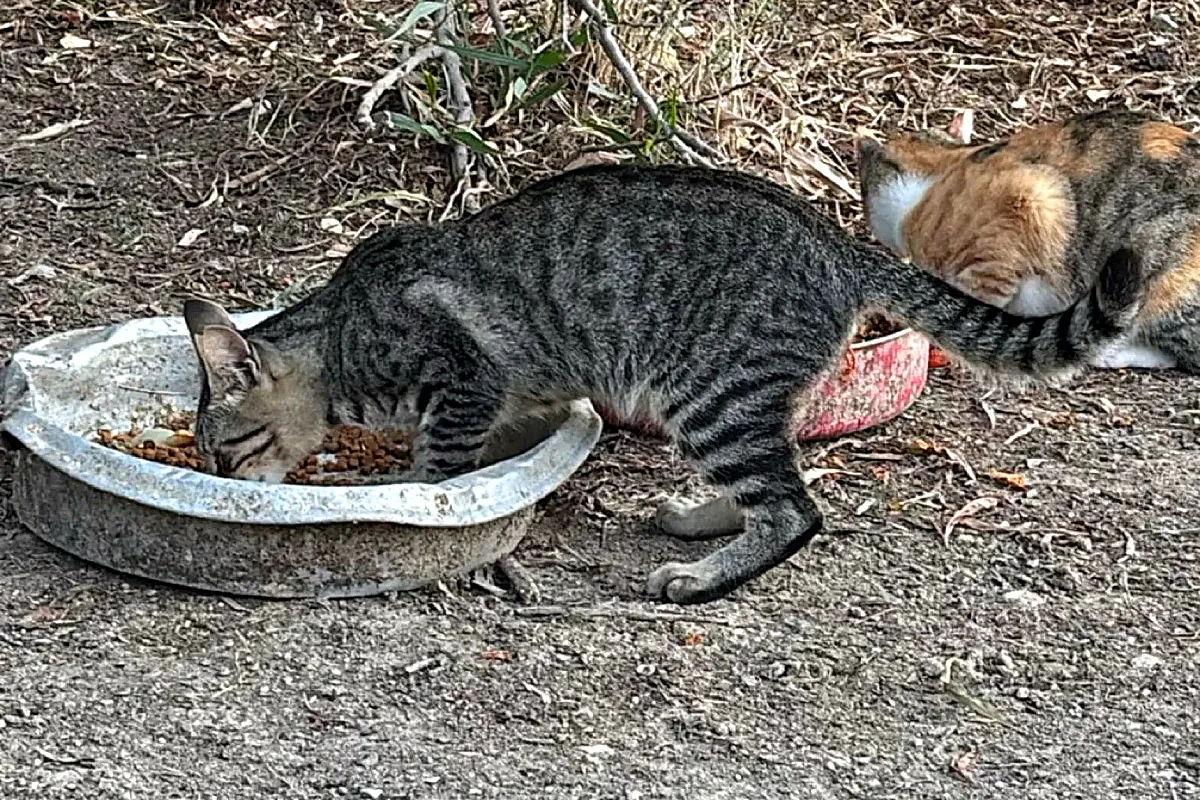
The big number comes from a sum that assumes every kitten survives and goes on to have kittens of its own. Real street cats don’t work like that. When researchers followed actual colonies, they found a female has about six kittens a year, and around three in four die before they’re old enough to breed. After seven years, one cat’s family comes to something closer to a hundred than to 420,000.
A hundred is still a lot of cats. But look at what the smaller number is made of. It’s smaller because most kittens born on the street die young, of cold, hunger, disease and cars. That’s the part the posters leave out, and it’s why spaying is the kind thing to do, not just the tidy one.

Why around four months
Female cats can get pregnant from about four months old, often before people think of them as grown. An unspayed female comes into season about every three weeks in the breeding months and can have up to three litters a year. That’s why International Cat Care and most vets now recommend neutering at around four months.
It’s good for the cat, too. Females spayed before six months have a 91% lower risk of mammary cancer than unspayed ones, and they’re far less likely to get womb infections later in life. Neutered males spray less, fight less, roam less, and pick up fewer injuries and diseases from fights.
“Shouldn’t she have one litter first?”
No. It’s one of the most common things people say, and it’s a myth. International Cat Care’s answer is short: one litter first is “unnecessary and of no benefit to the cat”.
The other reasons people give are just as human. Where we’re based, in Cyprus, owners who hadn’t neutered their cat were asked why in a 2025 survey. Almost a quarter said they couldn’t afford it, and about as many said it was unnatural and cats should be left to be cats. Both are understandable. Both end in kittens on the street.
Cost is the one that can be fixed. Many vets, councils and charities run cheaper neutering, and World Spay Day is when a lot of them do it.
What to do on World Spay Day
- If your cat isn’t neutered, book it in. Around four months old is the right time.
- Ask your vet or a local cat charity about low-cost neutering. If they don’t offer it, they’ll know who does.
- Know a street cat who’s always pregnant? Tell a local cat group. Offer to help with the trapping or the lift to the vet.
- Give to a neutering fund rather than buying food alone. One operation prevents a lot of hungry kittens.
- Next time someone shares the 420,000 figure, share the real one.
- Snap the cats on your street, so they’re counted.
Every cat you catch lands on the map. The fewer kittens born to die, the better that map looks.