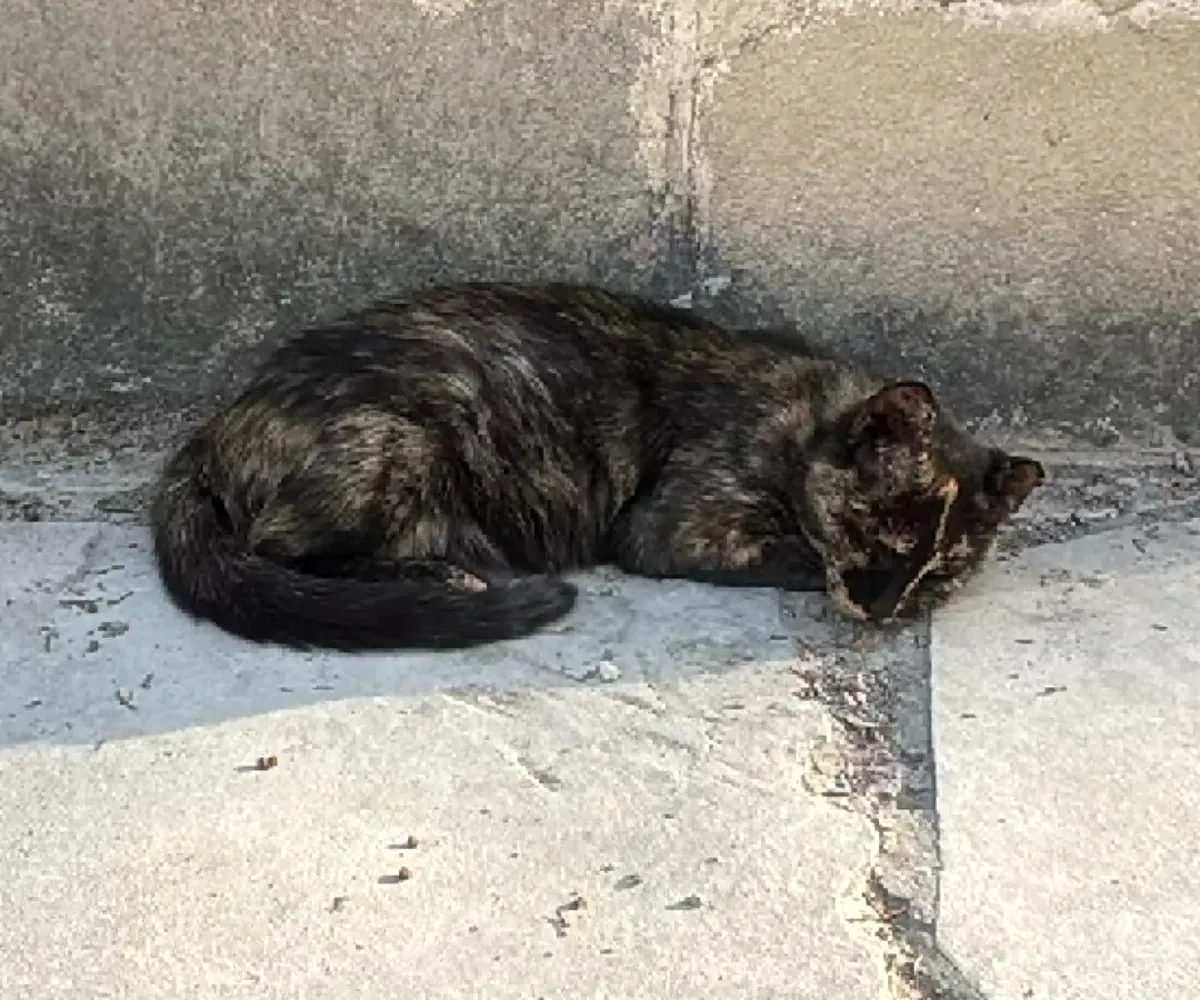
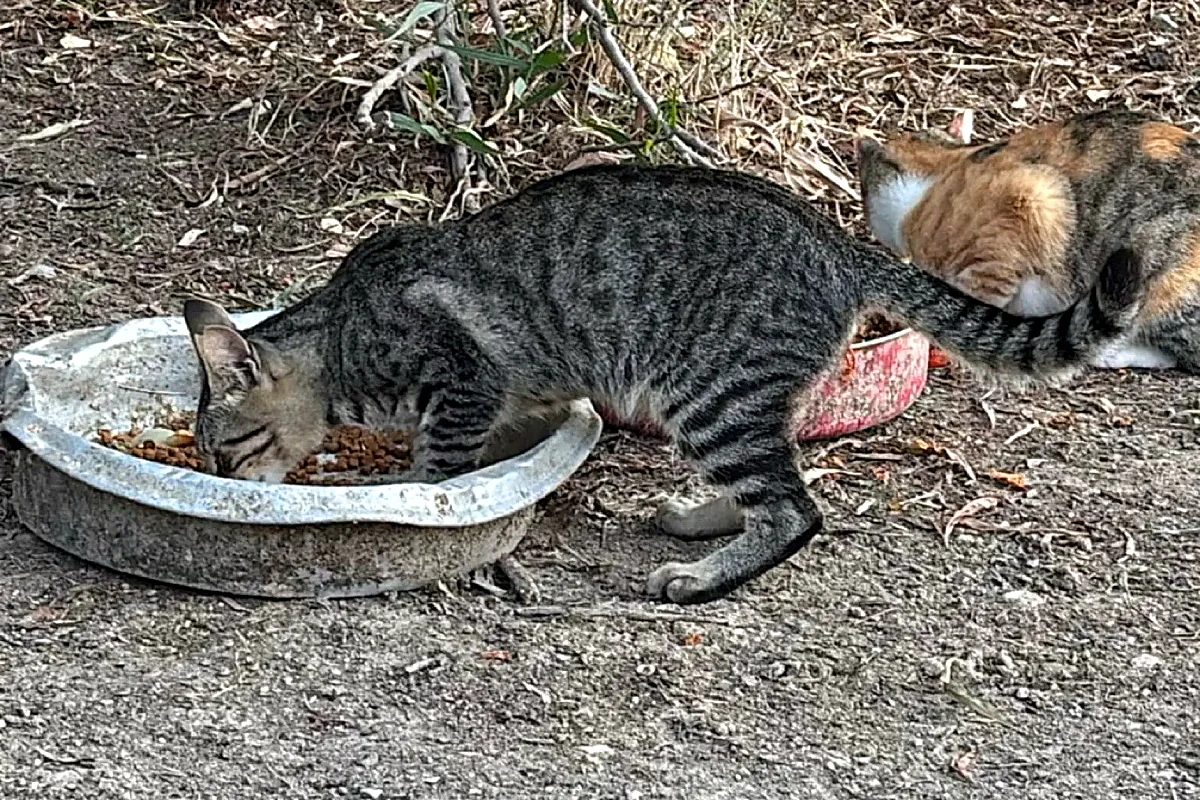
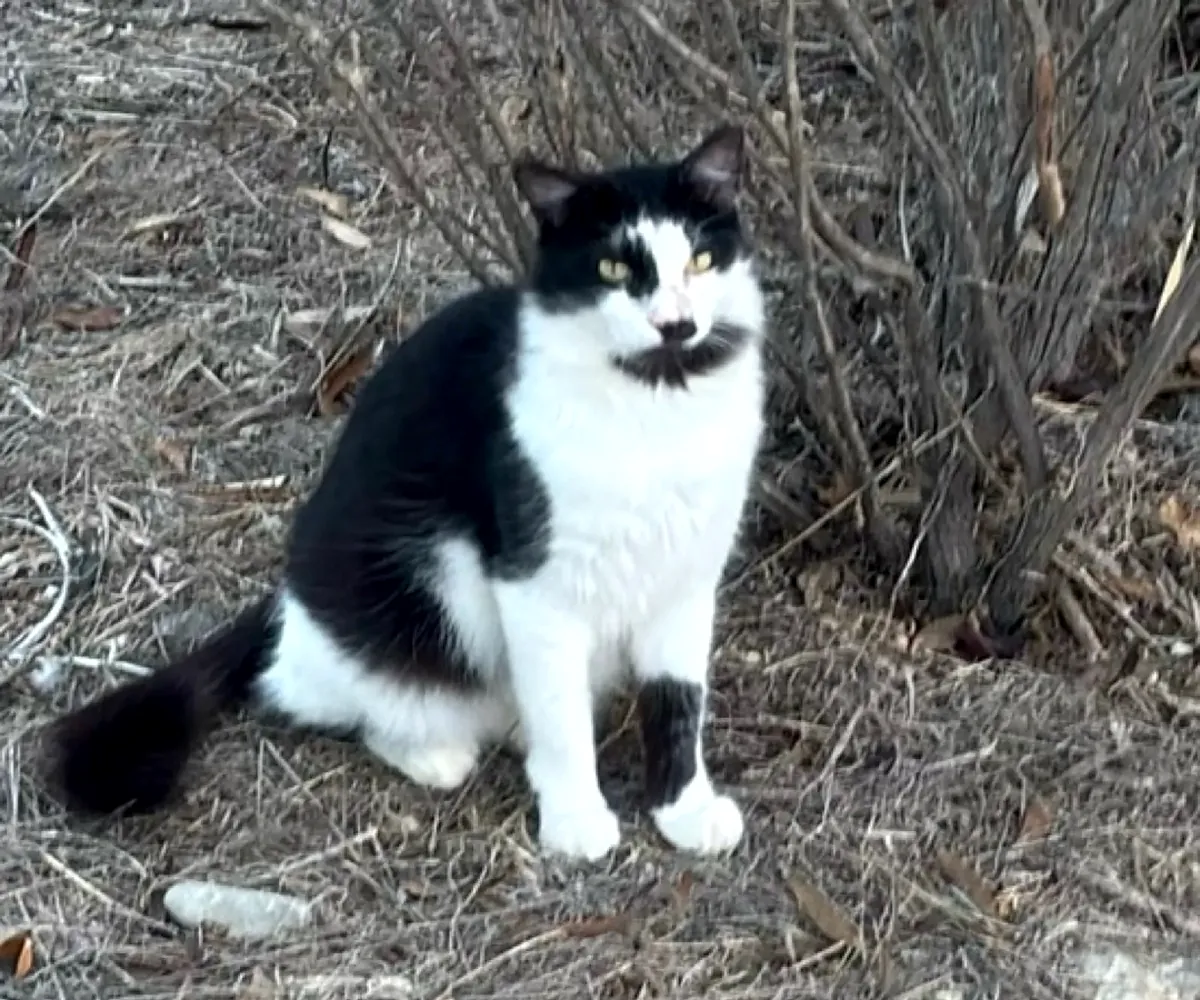
Ask anyone who has been to Cyprus what they remember, and cats come up fast. They sleep on car bonnets in Limassol, wait outside tavernas in Paphos and sit on the walls of every village square.
That isn’t new. Cyprus has the oldest proof anywhere of people living with cats, a legend about a saint who shipped cats in to fight snakes, and a monastery that has kept cats, on and off, for centuries.
Cyprus and its cats, in short
| About 11,000 years ago | The first farmers bring cats over the sea. |
|---|---|
| About 9,500 years ago | A cat is buried next to a person at Shillourokambos. |
| 4th century | Saint Helena’s cats, the legend goes, rid the south of snakes. |
| 1983 | Nuns bring the cat monastery of St Nicholas back to life. |
| 2023 | A new cat coronavirus, not COVID, spreads deadly FIP through the island’s cats. |
| Today | More street cats than people, and nobody knows exactly how many. |
The first cats came by boat
Cats aren’t native to Cyprus. No wild cat ever lived here on its own, so every cat on the island descends from cats that people brought over the sea.
The earliest ones we know of turned up at Klimonas, a village of some of the first farmers in the Mediterranean, near Agios Tychonas in the Limassol district. It’s between 10,600 and 11,100 years old, and among the bones found there are cats and mice. The farmers stored grain, the grain drew mice, and the cats came along to deal with them. It’s probably the oldest deal between people and cats, and it was made in Cyprus.
The grave at Shillourokambos
A few kilometres away, at Shillourokambos near Parekklisia, French archaeologists made a bigger find in 2004: a person buried with shells, polished stones and tools, and just next to them, a cat about eight months old. The grave is about 9,500 years old.
The cat had been laid down whole, with no sign it had been eaten. Someone cared enough to bury it with a person. It’s the oldest known sign of people and cats living closely together, thousands of years before the cats of ancient Egypt. It’s also number one in the rarest cats ever known.
Saint Helena and the snakes
Much later comes the story every Cypriot knows. In the 4th century, the legend goes, a long drought left the south of Cyprus overrun with venomous snakes. Saint Helena, the mother of the emperor Constantine, stopped on the island on her way back from the Holy Land. Hundreds, some say thousands, of cats were shipped in from Egypt or Palestine and let loose on the Akrotiri peninsula, south of Limassol.
The cats won. The cape they cleared is still called Cape Gata, the Cape of Cats. Nobody can prove the ships ever sailed. But Cypriots have told the story for well over a thousand years, and the cats are still there.
St Nicholas of the Cats
On Cape Gata stands the monastery of Agios Nikolaos ton Gaton, St Nicholas of the Cats, said to have been founded in Helena’s time. Its monks kept cats to hunt the snakes, with two bells: one to call the cats in for food, and one to send them out to hunt.
A German friar, Felix Fabri, passed by in 1480 and found the monastery surrounded by serpents, with the monks still relying on their cats. A century later the monastery was empty and the cats had died, but the name stuck. The Nobel-winning poet George Seferis later wrote a poem about them, “The Cats of St Nicholas”.
In 1983, a few Orthodox nuns moved in and brought both the monastery and the cats back. Today they look after around a hundred cats, said to be the descendants of Helena’s snake hunters. You can visit: it’s a short drive from Limassol, at the edge of the salt lake.
Is there a Cyprus cat breed?
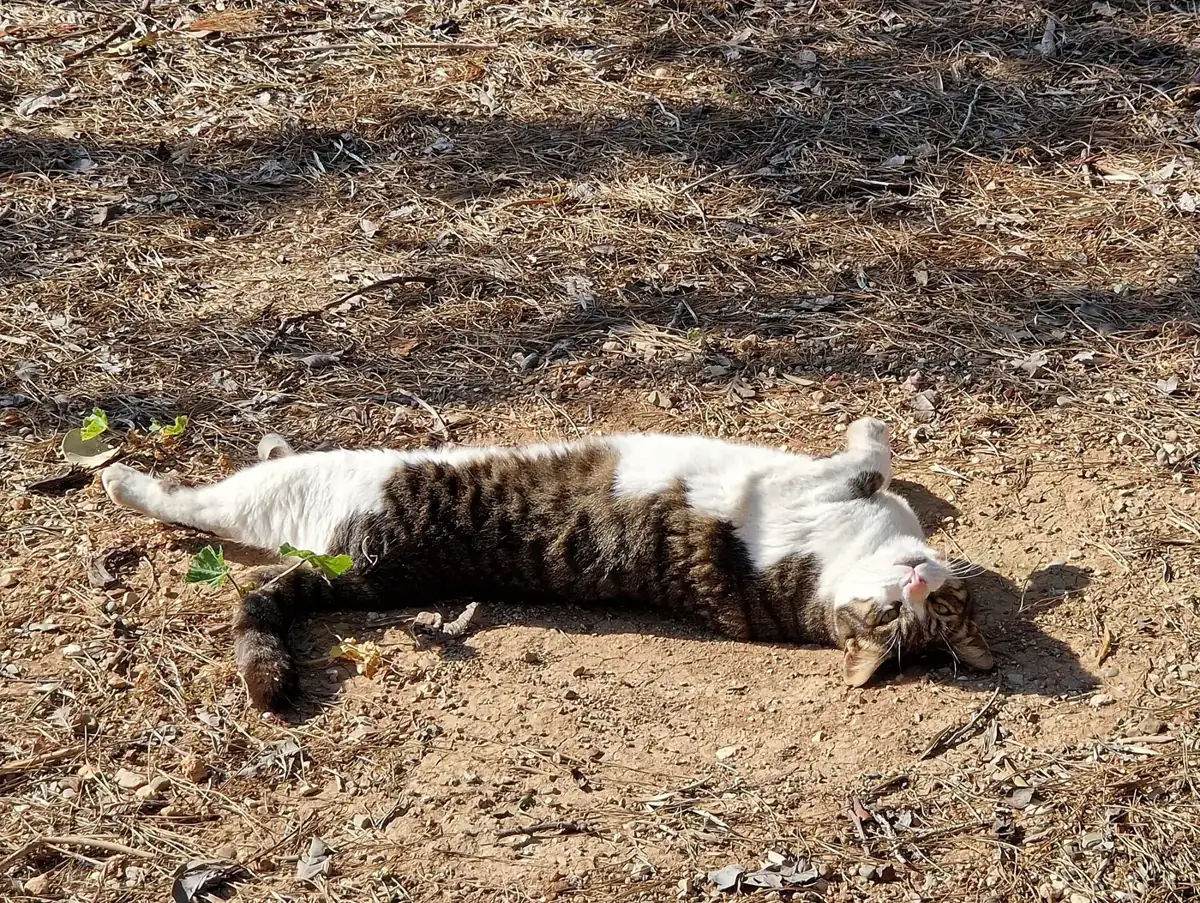
Sort of. The island’s cats are a local type, often called Saint Helen cats: sturdy, athletic and usually short to medium-haired. Breeders have worked them into a breed called Aphrodite’s Giant, named after the goddess said to be born off the Paphos coast, and the World Cat Federation recognised it in 2012.
Some say these cats come straight from the ancient cats of Shillourokambos. There’s no evidence for that. Thousands of years of ships, traders and new arrivals mixed them up long ago. Most Cyprus cats are simply street cats, and proud of it.
2023: the year the cats got sick
Early in 2023, vets across Cyprus started seeing far more cats with FIP, feline infectious peritonitis, a disease that is usually rare and almost always deadly. Lab-confirmed cases went from three or four a year to 186 in 2023, and between January and July that year vets saw about 10,000 cats with signs of it.
Scientists found the cause: a new cat coronavirus, called FCoV-23 and not the virus behind COVID-19, which had picked up part of a dog coronavirus and spread easily from cat to cat. There’s no sign it infects people. Vets treated cats with antiviral medicines, and the government let them use spare stocks of COVID-19 medicine to do it. Nobody knows how many street cats died, because nobody had ever counted them.
The island of cats today
Cyprus has about 1.2 million people and somewhere between 1.5 and 2 million street cats. The state neuters about 2,200 a year. The numbers are on our About page. Most of the real work is done by volunteers who feed colonies every evening and pay for vet visits out of their own pockets.
In June 2026, Cyprus’s vets, ministry and animal police called for a digital platform for the island’s strays. Eleven thousand years in, Cyprus still doesn’t know how many cats it has. A shared map is where that starts.
Snap the cats on your street. Every one goes on the map of the first island of cats.